
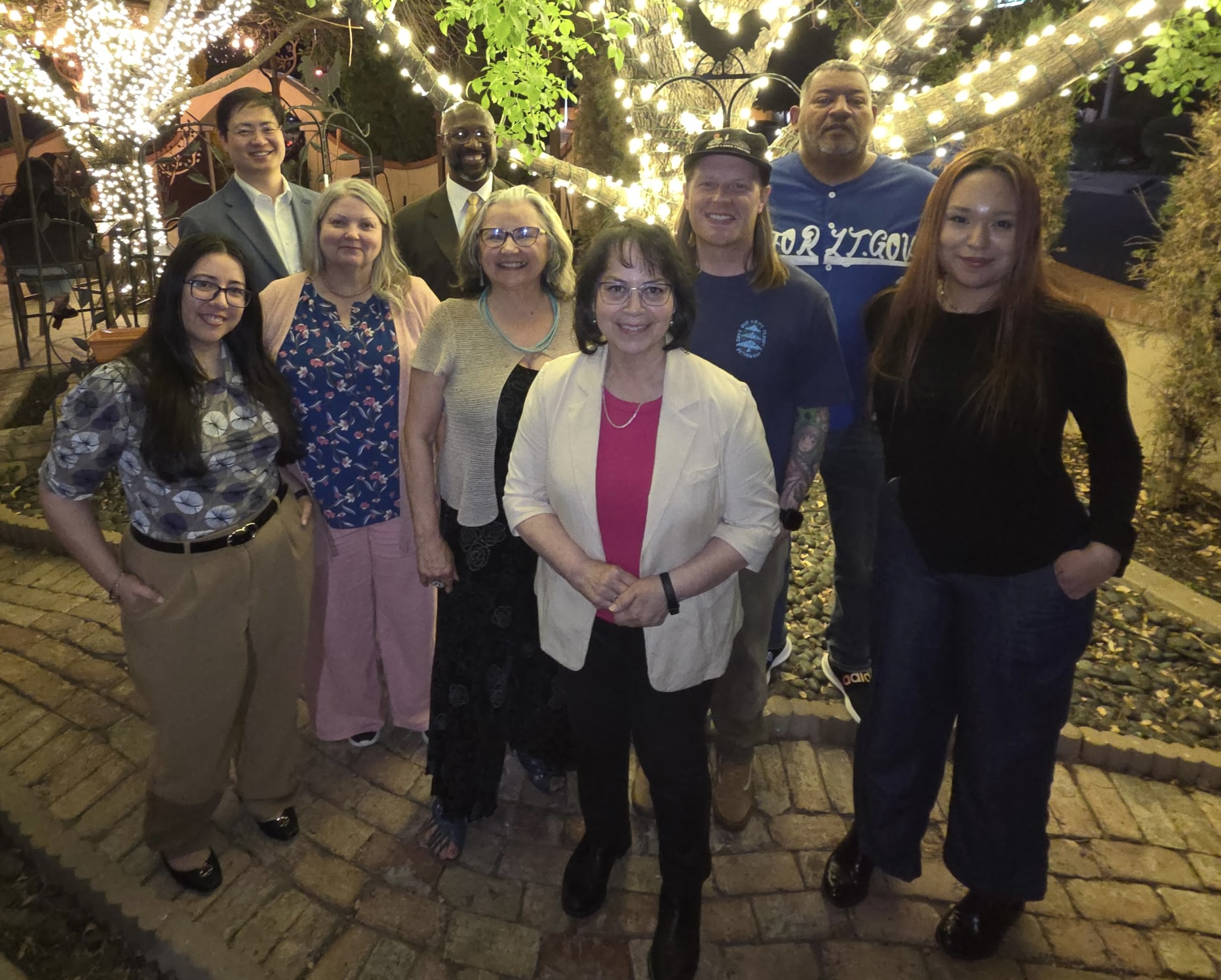
Senator Pope, candidate for LT. Governor. Senator Sedilo Lopez. Rep Debra Sarinana. Oil Conservation Director Albert Chang, Albuquerque Councilwoman Tammy Fiebelkorn, and staff from Oilfield Witness and Elected Officials to Protect America.
Oilfield Witness recently hosted New Mexico lawmakers for a field tour through the Permian Basin, giving them a hands-on look at how oil and gas touches everyday life in our communities. The trip wove through Carlsbad to Artesia to Loco Hills, stopping at frontline communities and sites tucked into residential areas, as well as on Bureau of Land Management and State lands. We also visited spill sites, produced water facilities, and a refinery, to show the full arc of energy production in the region.
A clear message from the day: enforcement capacity changes everything. Rules on paper are only as strong as the agencies available to police them, inspect, and impose consequences. At several stops, lawmakers saw that even well-written standards for water management, spill response, and land protection can fail to protect health and landscapes when inspectors are few, budgets are tight, or authorities lack clear remedies for noncompliance.
In Carlsbad and Artesia, conversations with residents and operators underscored how we enforce produced-water handling, waste management, and spill response determines whether health and environmental protections actually translate into practice. When enforcement is under-resourced, even good laws risk simply being symbolic or aspirational.
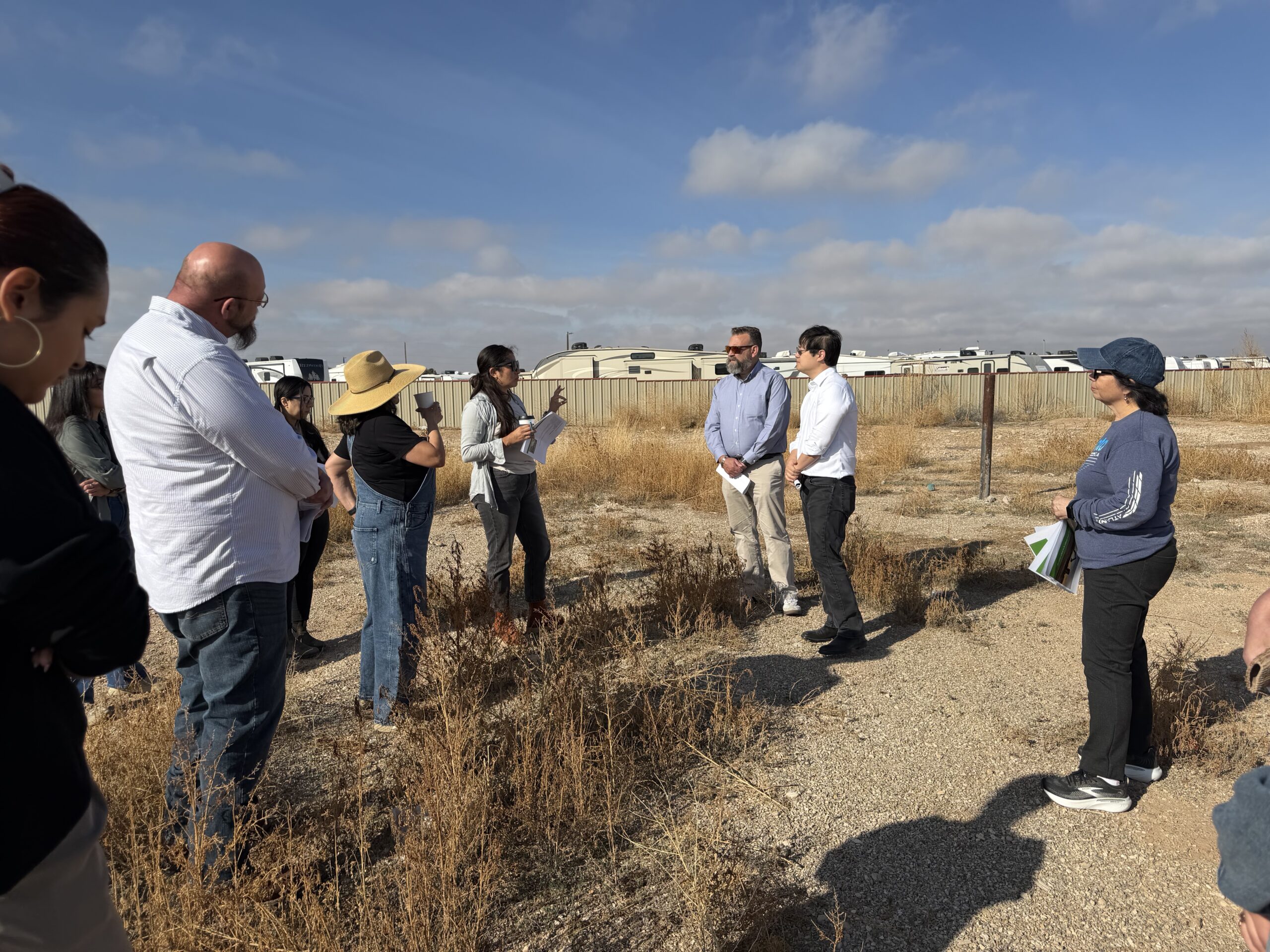
The tour visits a plugged well site.
Visits to sites on residential land and on state and federal lands highlighted how easily rules can be undermined without robust inspection, monitoring, and enforcement authority. The refinery stop reminded us that downstream emissions and controls hinge on both regulations and regulators’ ability to verify compliance through inspections and penalties when needed.
A growing debate in policy circles is whether the current permitting regime is fit for purpose in a water-scarce, rapidly developing landscape. Some voices argue that, beyond strengthening enforcement, a pause or careful reconsideration of new permits could be a meaningful step while capacity and governance are rebuilt. Others contend that targeted reforms—such as transparent reporting, streamlined enforcement pathways, and proactive caps on surface disturbance—are needed to prevent cumulative harm. Some argue the only answer is to stop issuing permits to operators altogether.
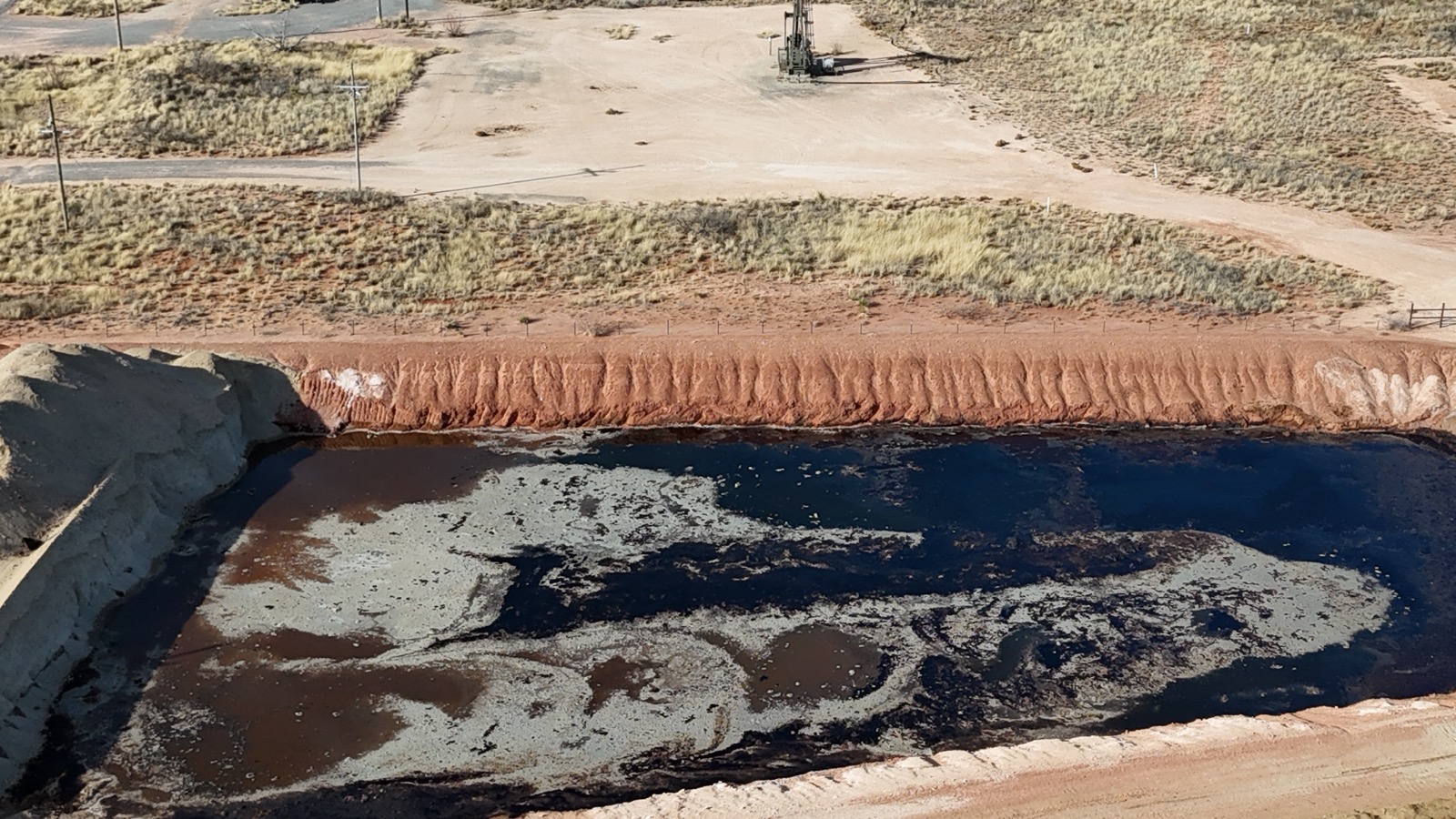
Waste water aka “produced water”
The day underscored that energy development will continue to shape the region, but only with strong enforcement and thoughtful policy design can we balance economic needs with community health and long-term resilience. The Senators and Representatives left with a sharper understanding that effective governance requires both robust laws and credible enforcement capacity—and, in some policy settings, a careful reexamination of permitting to protect NM’s frontline communities and landscapes.
