
News from May
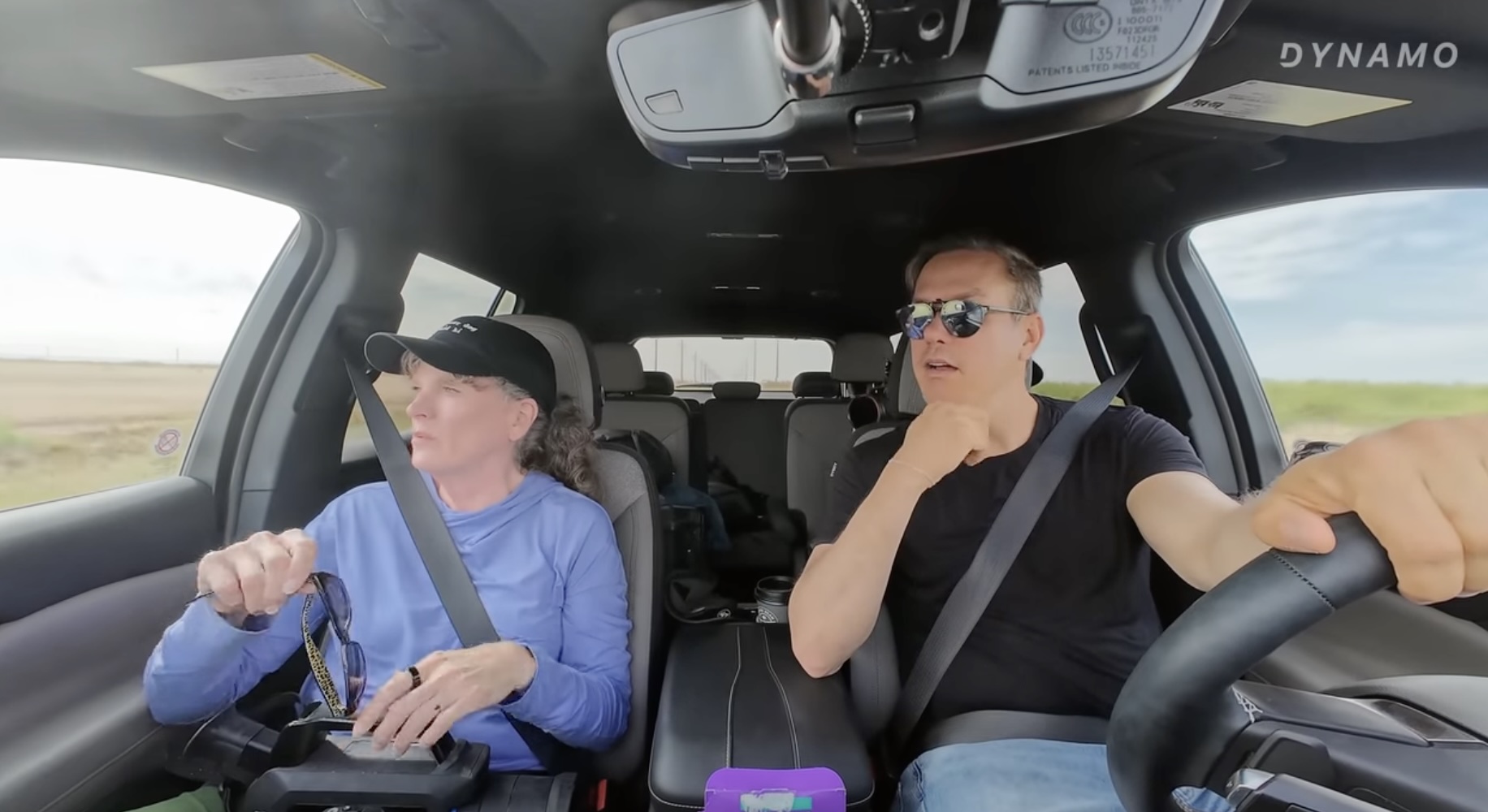
Image: Sharon explains flaring to Business Explains the World.
Howdy, y’all! The team was out in the field with journalists in Texas and New Mexico in May, Justin was on a Europe Calling webinar panel talking about LNG, Tim’s work in Canada got more media attention and Charlie wrote another op-ed about New Mexico.
Fieldwork
Sharon and Jack were in the field with journalists to show them the reality of flaring and venting in the Permian and for Jack to share his expertise on this subject. They also stopped by an oil waste water facility to document the emissions that come from the industry’s waste.
Charlie was in the field in New Mexico with a reporter looking at abandoned oil production sites, production sites near communities, and to look at the ecological impacts of the oil industry on the Pecos River.
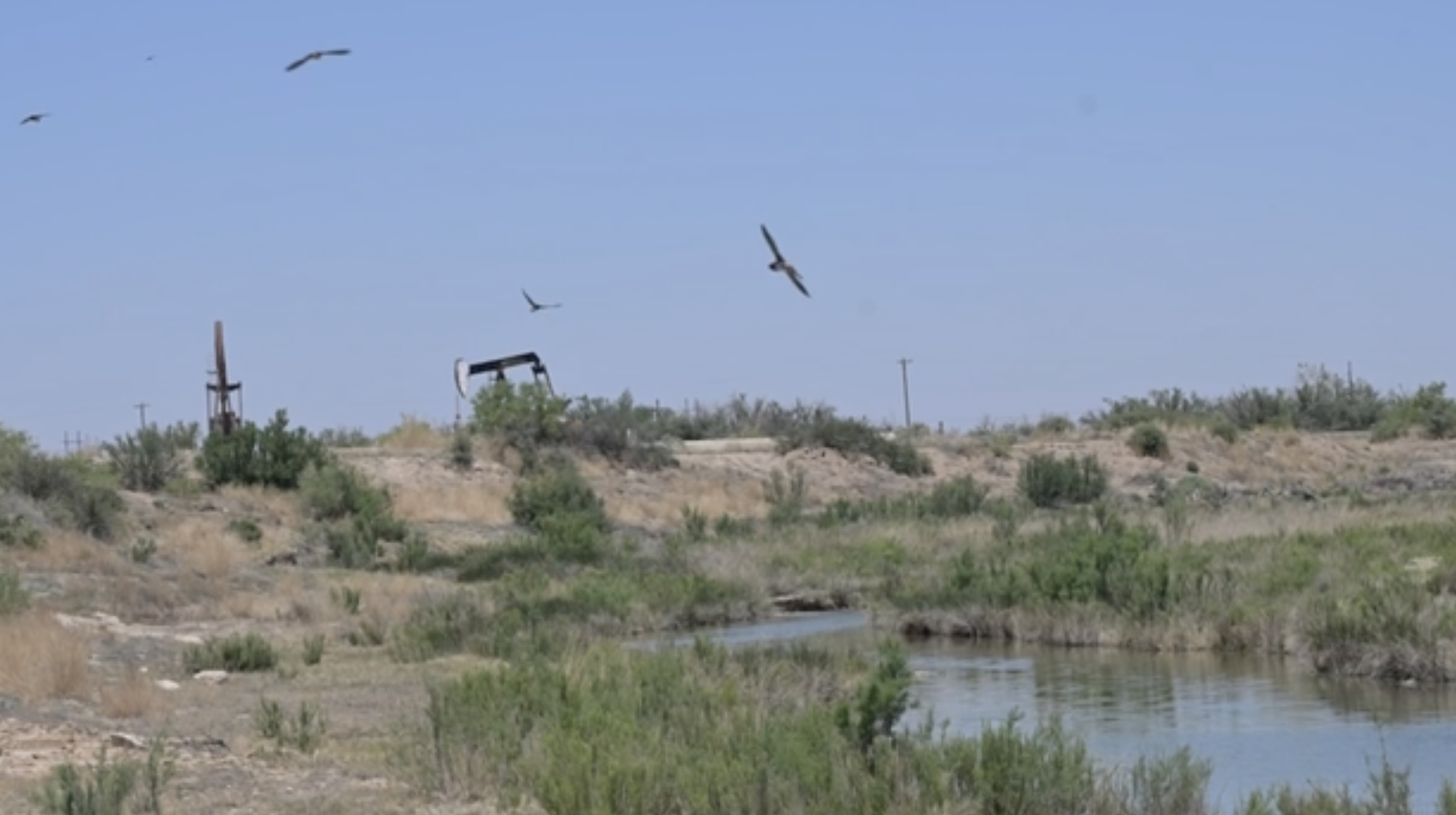
Image: Oil production along the Pecos River
Sharon was also in the field with a Mexican journalist and photographer looking to learn about the impacts of fracking on the environment and local communities and to see the reality themselves. Mexico is planning to begin fracking and we have been talking to groups and journalists there to help them understand the implications of this choice. This follows the work from last year when we worked with a group of Mexican politicians in the Permian who then went home and introduced legislation to ban fracking.
Media News
Tim went to Canada again this spring and took videos of the new LNG Canada facility which is having a lot of trouble with its flaring operations. We worked with My Sea to Sky on this project.
“Tim Doty, an air quality expert with Texas group Oilfield Witness who worked for more than 30 years as a technical air expert at the Texas Commission on Environmental Quality, spent three days in May observing venting and flaring at the Kitimat site. “I’ve surveyed many hundreds of industrial flares across the state of Texas and Louisiana, and this one is not typical,” Doty said.”
Tim was quoted in several Canadian press articles including this one at the CBC.
“We looked at it for three days, and I was pretty convinced just on the very first day that LNG Canada is a big polluter.”
Data Desk published a piece on the importance of the EU maintaining its methane regulations which cited our work supporting the team that wrote several articles about the problems with methane certification.
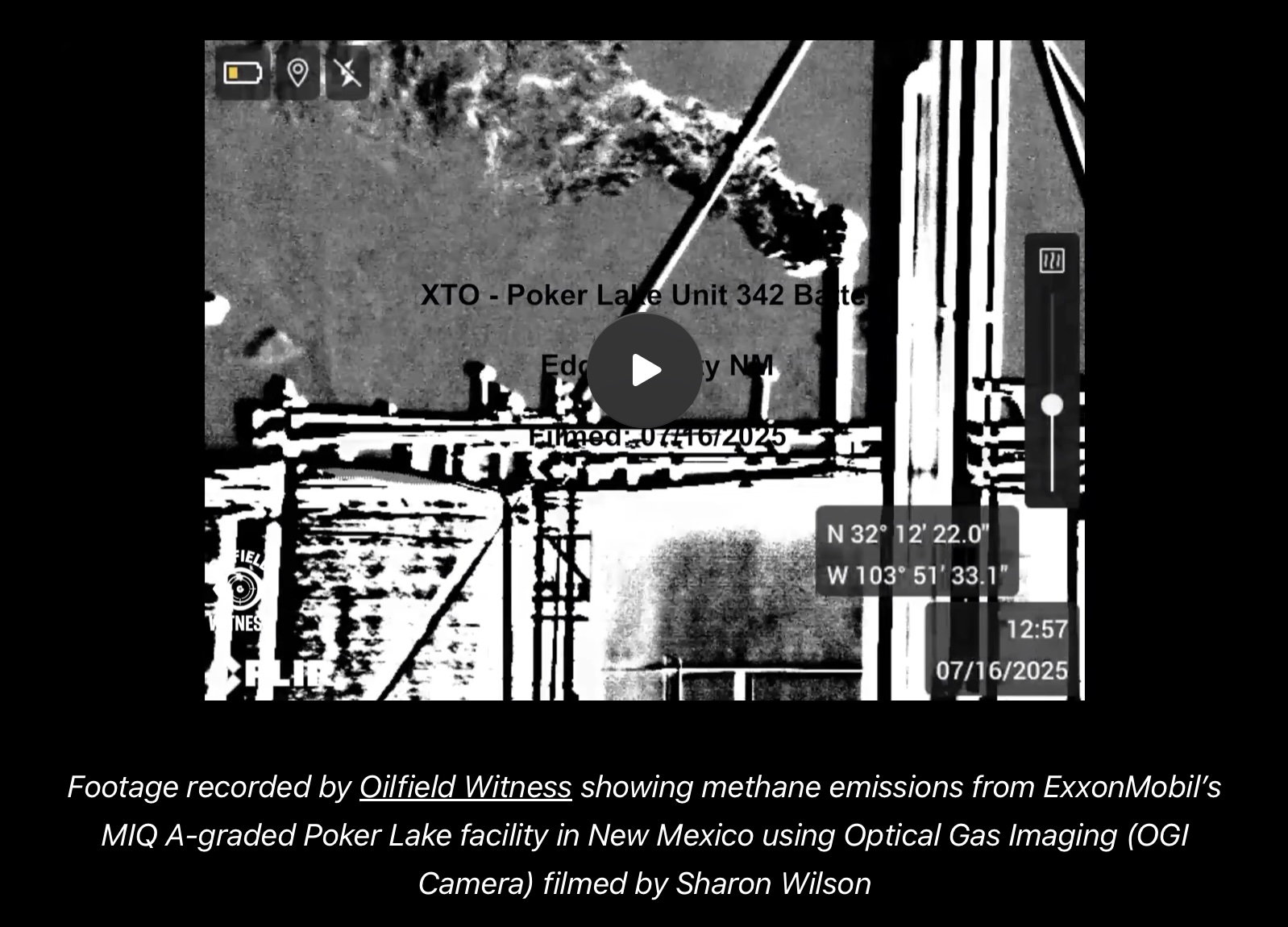
Sharon spent time in the field with the team at Business Explains the World who wanted to know why so much methane gas was being burned and vented in the oil industry. The simple answer is that due to the low cost of gas in the Permian, it’s cheaper for them to burn than capture and process.
.
Education
Justin was a presenter for a Europe Calling webinar about the U.S. LNG exporter Venture Global and ended his comments and the webinar stating, “There is so much good news [about clean energy] and we need to get our policymakers to acknowledge that and stop acting likes it is 2015.”
Movie News
Charlie was on a panel discussion after a screening of The Land of Sacrifice. You can watch the full event and discussion here.
Our Writing
Charlie wrote an op-ed about the Dunes Sagebrush Lizard and how the species’ survival is threatened by oil and gas development in the New Mexico desert.
“The dunes sagebrush lizard is not doomed by some intrinsic flaw; it is imperiled by the choices we make about land use. We know what to do. Now we must act — guided by science, informed policy, and a commitment to coexistence in the Permian Basin.”
Justin wrote about demand destruction in the U.S. natural gas industry at Powering the Planet.
“The oil and gas industry lectured us for decades that we could not switch to renewables because we couldn’t afford it. We were told that if latte-sipping liberals wanted to pay extra to make themselves feel better, they could, but the rest of the world would choose lower-cost fossil fuels. And they were right. But the tables have turned and now the low-cost solutions are not fossil fuels. When that happens, fossil fuel demand destruction follows. Expect more.”
Feedback
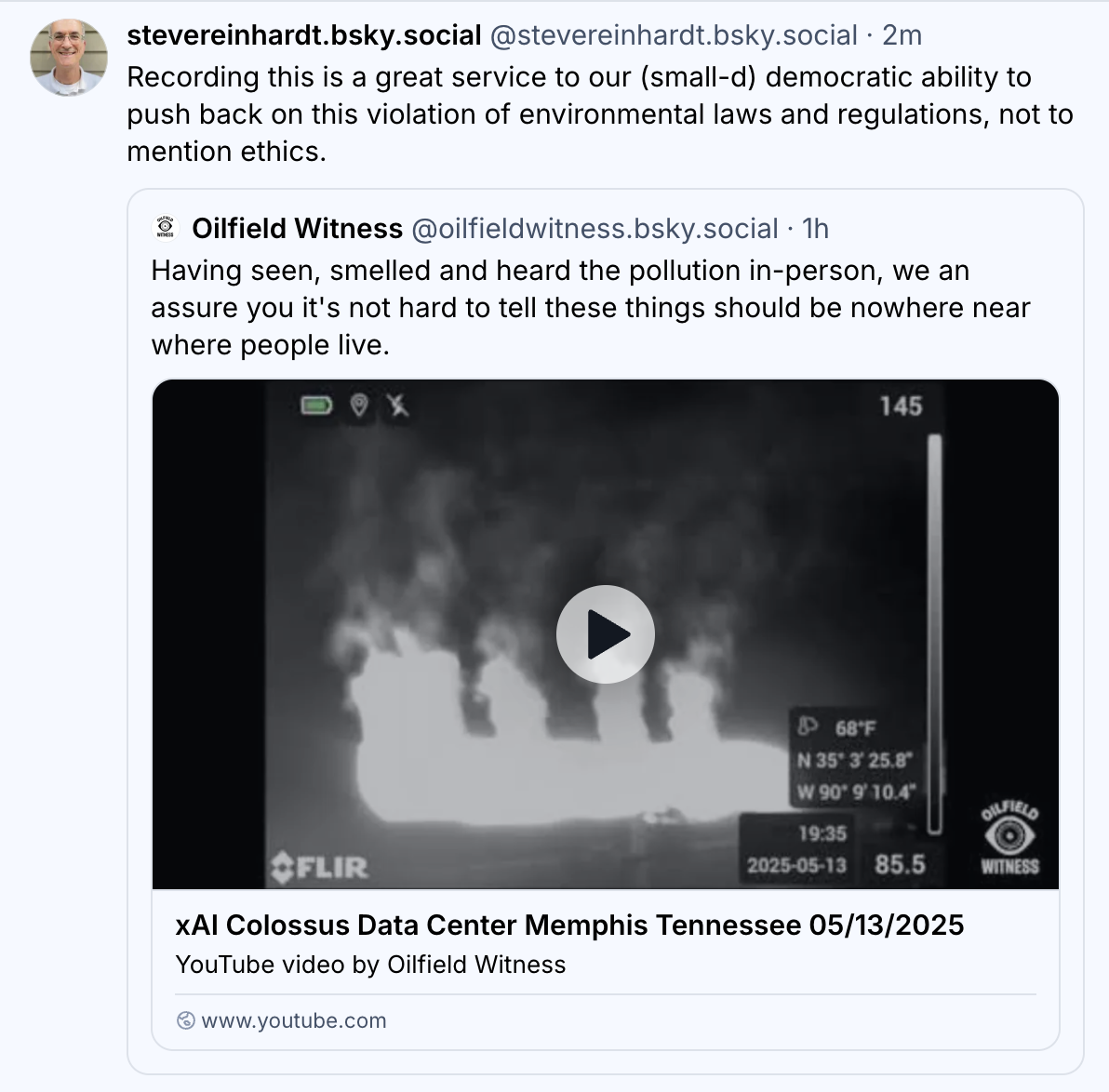
– Till the end of oil
The Oilfield Witness Team